
-
-
-
-
-
-
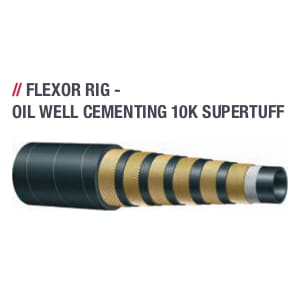
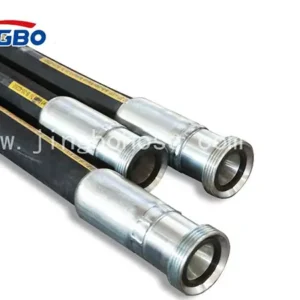
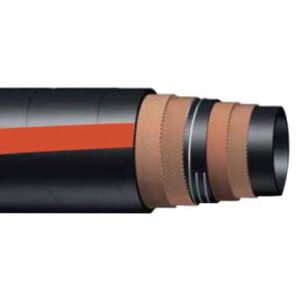
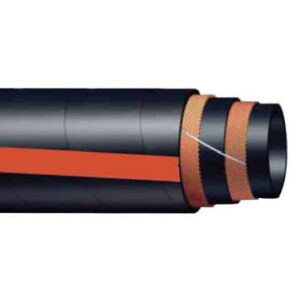
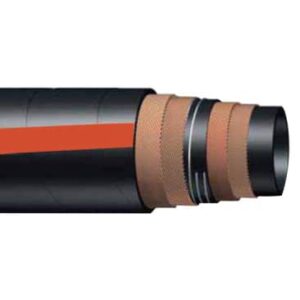
Flexor Rig – Oil Well Cementing 10K Supertuff Hose
Price available upon requestStock Location: IndiaReseller -
-
-
-
-


Category guide
- What are Cargo Hoses?
- Cargo hoses transfer bulk liquids and gases between vessels, terminals, and offshore facilities. Common types include Oil Transfer Hoses (for petroleum products), Chemical Hoses (with specialized liners for chemical compatibility), LNG/LPG Cryogenic Hoses (for liquefied gas transfer at cryogenic temperatures), and Composite Hoses (multi-layer construction for various cargoes).
- What are the different types of Cargo Hoses?
- Common types include Oil Transfer Hoses, Chemical Hoses, LNG/LPG Cryogenic Hoses, Composite Hoses.
- What standards apply to Cargo Hoses?
- Products in this category typically reference OCIMF Guidelines for Hose Systems, EN 1765:2016 (Oil), EN 13765:2018 (Chemical; Composite), and EN ISO 21012:2018 (Cryogenic). SIGTTO Standards typically apply to LNG/LPG hoses. OCIMF approval is typically required for oil transfer applications.
- Buyer requirements
- Procurement typically requires Internal Diameter (mm; in) and Length (m) to match manifold size and transfer method. Working Pressure (bar), Burst Pressure (bar), Temperature Range, Flange Size/Rating (ANSI; DIN), and cargo-specific compatibility certifications are critical. Chemical hoses require Chemical Compatibility Lists and Permeation Test Compliance. Cryogenic hoses require Minimum Operating Temperature specifications (LNG: -162°C; LPG: -50°C) and Cryogenic Certification.