
-

Trelleborg Pneumatic Fenders
Price range: $6.500,00 through $24.500,00Lead Time: 1 dayStock Location: United Arab EmiratesReseller -
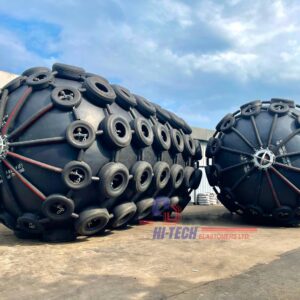
Hi Tech Pneumatic Fenders – New
Price range: $3.200,00 through $21.000,00Lead Time: From 14 daysStock Location: IndiaOEM -
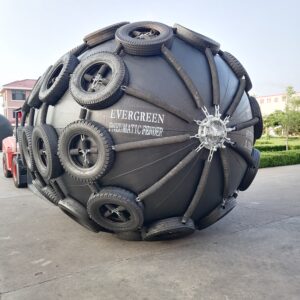
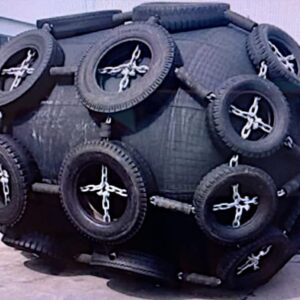
Pneumatic Rubber Fender With Customized Chain Tyre Net
Price range: $2.300,00 through $12.300,00Lead Time: 5 daysStock Location: ChinaOEM -
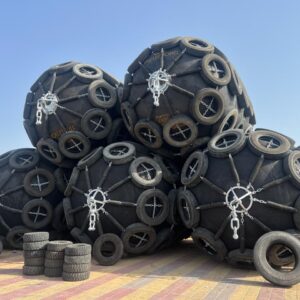
Trelleborg Pneumatic Fender
Price range: $8.200,00 through $35.500,00Lead Time: 1 dayStock Location: United Arab EmiratesReseller -
-
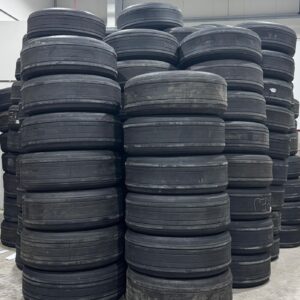
H46 AC Tyres For Marine Fendering
$136,00Lead Time: 1 dayStock Location: United Arab EmiratesReseller -

Trelleborg Pneumatic Fender New
$8.000,00Lead Time: 1 dayStock Location: United Arab EmiratesReseller -
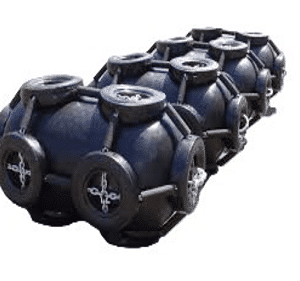
Lion Rubber Fender
Price range: $638,00 through $24.750,00Lead Time: 1 dayStock Location: United Arab EmiratesReseller -
-
-
-
-
-
-
-


Category guide
- What are Fenders?
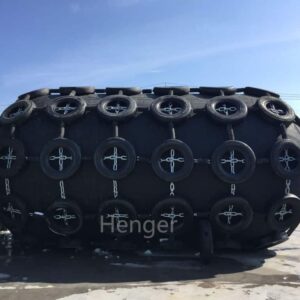
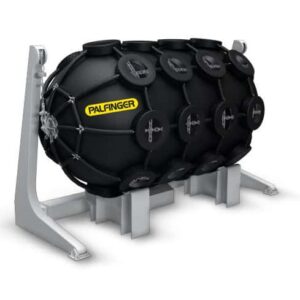
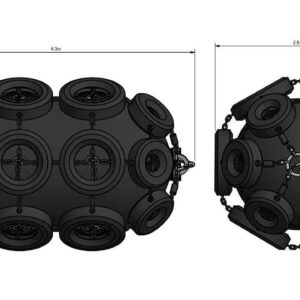
- Fenders protect vessels and berthing structures during mooring by absorbing berthing energy. Common types include Pneumatic Fenders (inflatable; high energy absorption), Foam-Filled Fenders (unsinkable; suited for permanent installations), and Solid Rubber Fenders (cylindrical; D-type; arch; or cone profiles for different berth configurations).
- What are the different types of Fenders?
- Common types include Pneumatic Fenders, Foam-Filled Fenders, Solid Rubber Fenders.
- What standards apply to Fenders?
- Products in this category typically reference ISO 17357-1:2022 (Pneumatic Fenders) or PIANC 2002 Guidelines (Foam-Filled and Solid Rubber Fenders). Specific requirements may vary by flag state or port authority.
- Buyer requirements
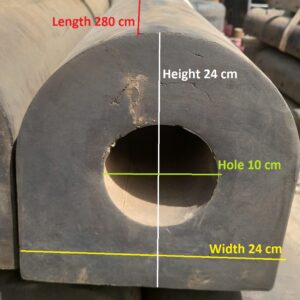
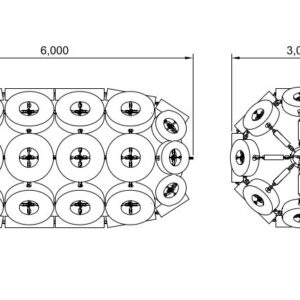
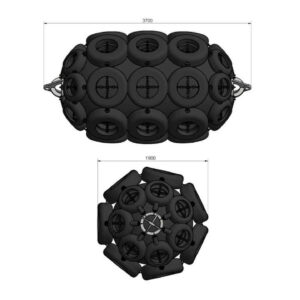
- Procurement typically requires Energy Absorption (kJ) and Reaction Force (kN) to match vessel size and berthing velocity. Diameter (mm), Length (m), and for non-cylindrical types Height (mm) and Width (mm), material specifications, and end-fitting type are critical for installation compatibility. Year of manufacture is often specified, as rubber properties degrade over time, affecting performance and safety margins.